Starting a Kitchen Garden: Seeds and Farm Inputs for Kenyan Homes
A small kitchen garden can supply fresh vegetables for your family all year, cut your food spending and even bring in extra income. You do not need a big shamba: a corner of the compound, a balcony or a few sacks are enough. This guide covers the crops, farm inputs and simple techniques you need to get started.
 Global Max Shop Team · 7 min read

Why grow a kitchen garden?
Vegetable prices in Kenyan markets rise and fall with the seasons, and quality varies. A kitchen garden gives you a steady supply of fresh greens, picked minutes before cooking when their flavour and nutrients are at their best. It also lets you control what goes on your food. Many families find that a well-managed garden of a few square metres covers most of their daily sukuma wiki, spinach and dhania needs. Surplus produce can be shared with neighbours or sold.
Choosing the right spot
Most vegetables need at least six hours of direct sunlight a day. Choose the sunniest area you have, away from the shade of large trees and buildings. The site should drain well after rain, because waterlogged roots rot. Being close to a water source makes watering much easier. If you have little ground space, use raised beds, sacks, buckets or wooden boxes. Multi-storey sack gardens, where crops are planted in holes along the sides of a soil-filled sack, are a popular choice in urban Kenya.
Easy crops for beginners
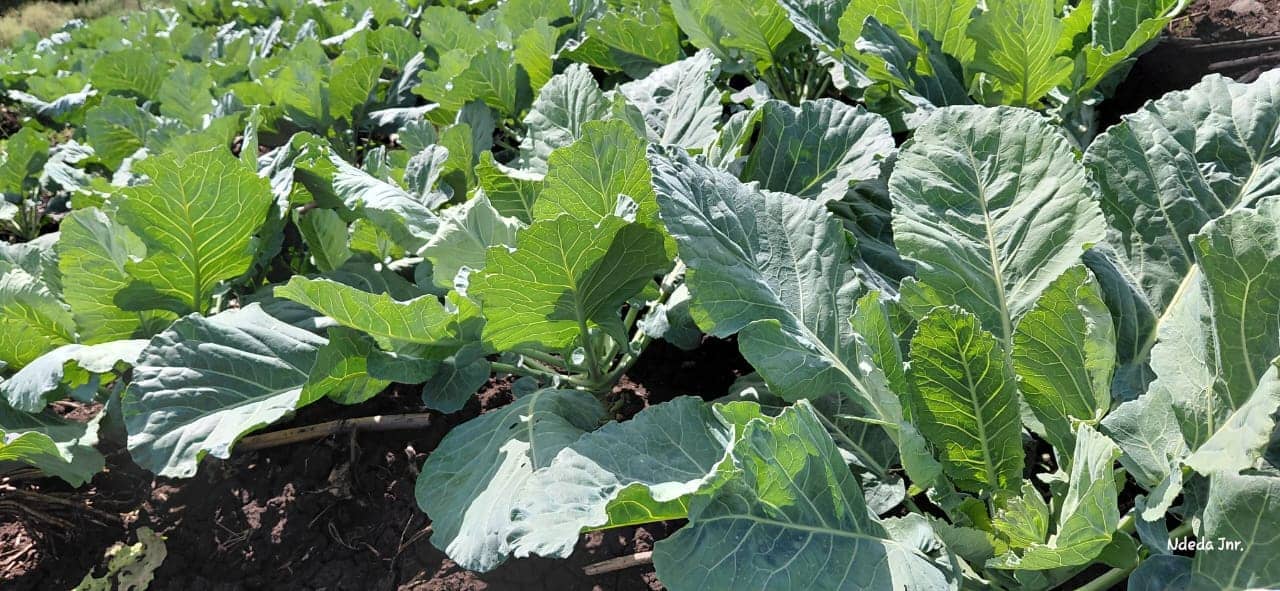
- Sukuma wiki (collards) and kale: plant once and harvest leaves for many months.
- Spinach and Swiss chard: fast growing and tolerant of partial shade.
- Managu, terere and saga: nutritious African leafy vegetables that are hardy and fast.
- Dhania (coriander): ready in a few weeks and useful in almost every meal.
- Spring onions and bulb onions: high value and suited to small beds.
- Tomatoes and capsicum: rewarding in sunny spots but need staking and more care.
- Lettuce: quick and ideal for containers.
- Carrots and beetroot: need loose, deep soil without stones.
Start with three or four crops you eat often. You can add more once you are confident.
Buying quality seeds
Seed quality decides the success of your garden more than anything else. Certified seeds from reputable companies have tested germination rates, are true to variety and are less likely to carry disease. Check the packet for the variety name, the expiry or packing date, and the germination percentage. Store unused seeds in a cool, dry place in a sealed container. Some crops, such as tomatoes, capsicum and onions, are best started in a nursery tray or seedbed and transplanted after four to six weeks. Leafy greens like spinach and sukuma can also be raised in a nursery. Buy certified seeds online for delivery to your home.
Preparing healthy soil
Healthy soil grows healthy plants. Dig the bed to about a spade's depth and remove weeds, stones and roots. Mix in plenty of well-rotted manure or compost; a good guide is one wheelbarrow for every two to three square metres. Fresh manure can burn young plants, so make sure it has decomposed for several weeks. At planting, many growers add a small amount of a planting fertilizer rich in phosphorus to support root growth. Read our fertilizer guide for details on NPK, DAP and CAN.
Making your own compost from kitchen peelings, dry leaves and grass cuttings is free and reduces waste. Keep the heap moist and turn it every few weeks.
Planting and spacing
Overcrowded plants compete for light, water and nutrients and are more prone to disease. Follow the spacing on the seed packet. As a rough guide, sukuma wiki and kale need about 45 to 60 cm between plants, spinach about 30 cm, onions 10 cm and tomatoes 50 to 60 cm. Transplant seedlings in the late afternoon or on a cloudy day, water them well and provide light shade for the first few days. Planting a new row of fast crops such as spinach or dhania every two to three weeks gives you a continuous harvest.
Watering wisely
Water early in the morning, when less water evaporates and leaves dry quickly, reducing disease. Water the soil at the base of plants rather than the leaves. Deep watering two or three times a week is better than a light sprinkle every day, because it encourages deep roots. Mulching with dry grass or leaves keeps the soil moist, cool and weed free. In dry areas, simple drip kits or bottle irrigation can save a lot of water and time. Collecting rainwater from the roof is another easy win.
Feeding your crops
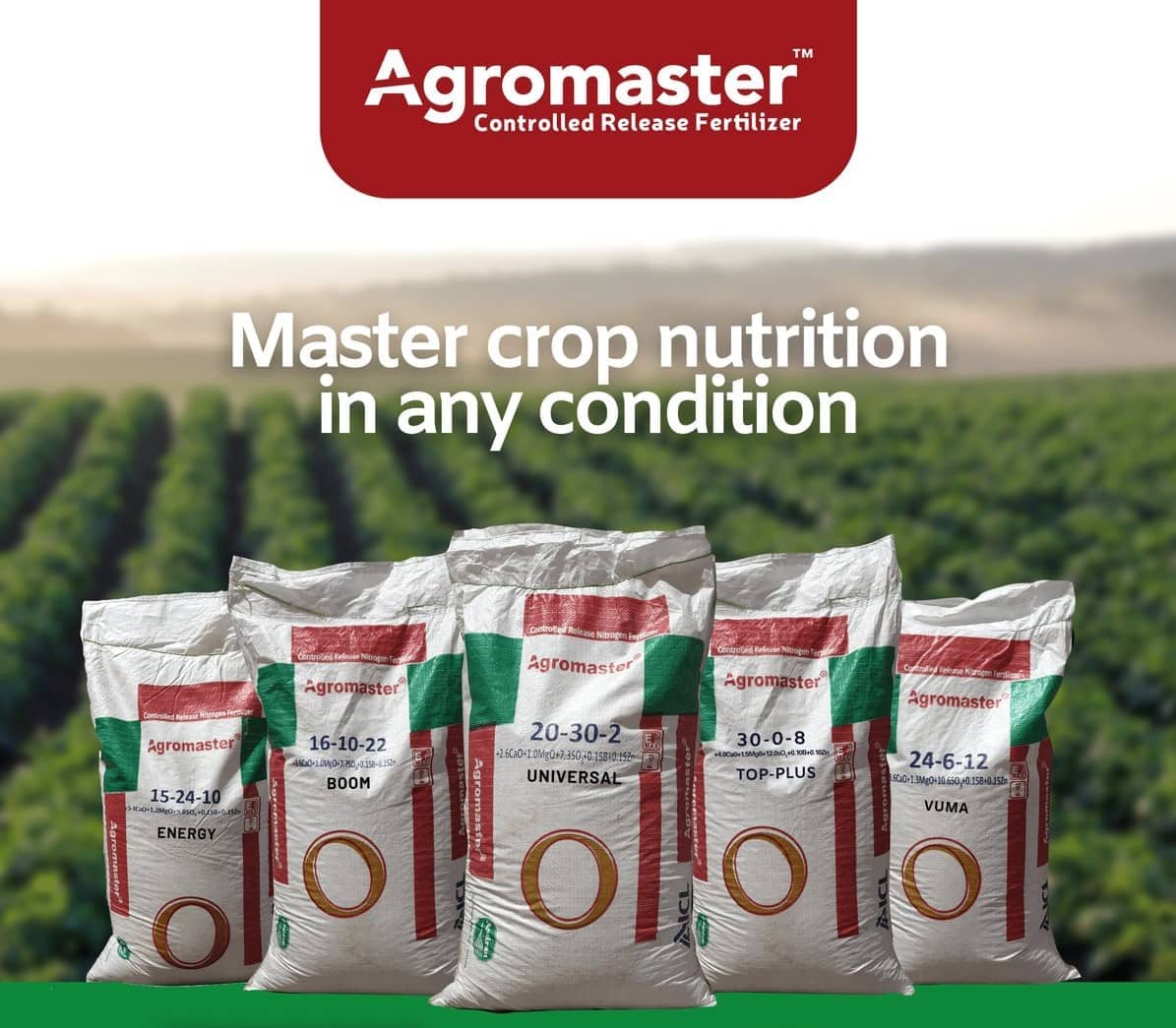
Leafy vegetables are heavy feeders of nitrogen. Three to four weeks after transplanting, a light top dressing of a nitrogen fertilizer, applied around the plant but not touching the stem and watered in, encourages lush leaves. Liquid manure made by soaking manure in water for two weeks is a free alternative. Foliar feeds can correct deficiencies quickly. Always follow the rates on the product label; more fertilizer does not mean more harvest and can damage plants and soil.
Managing pests and diseases
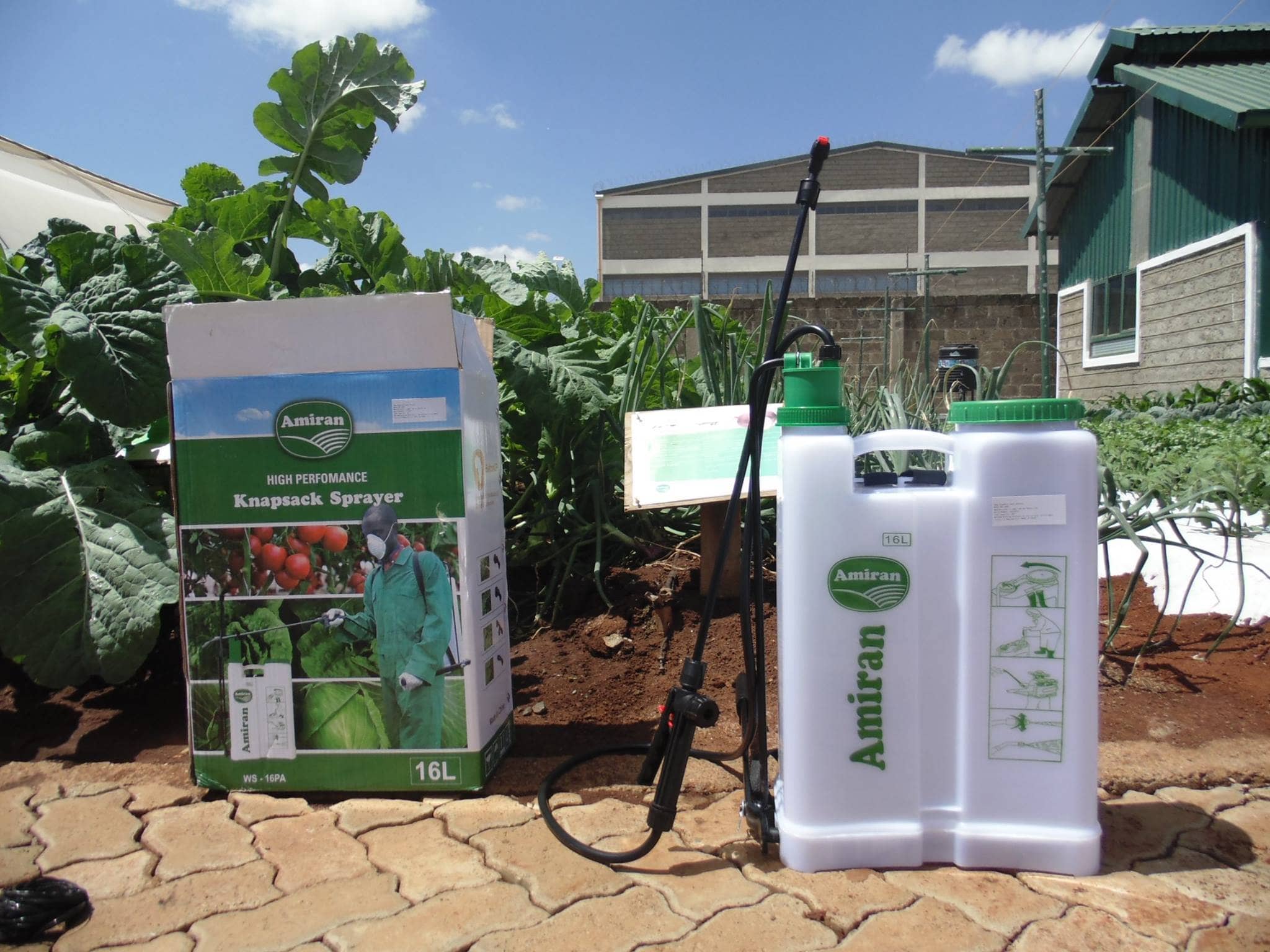
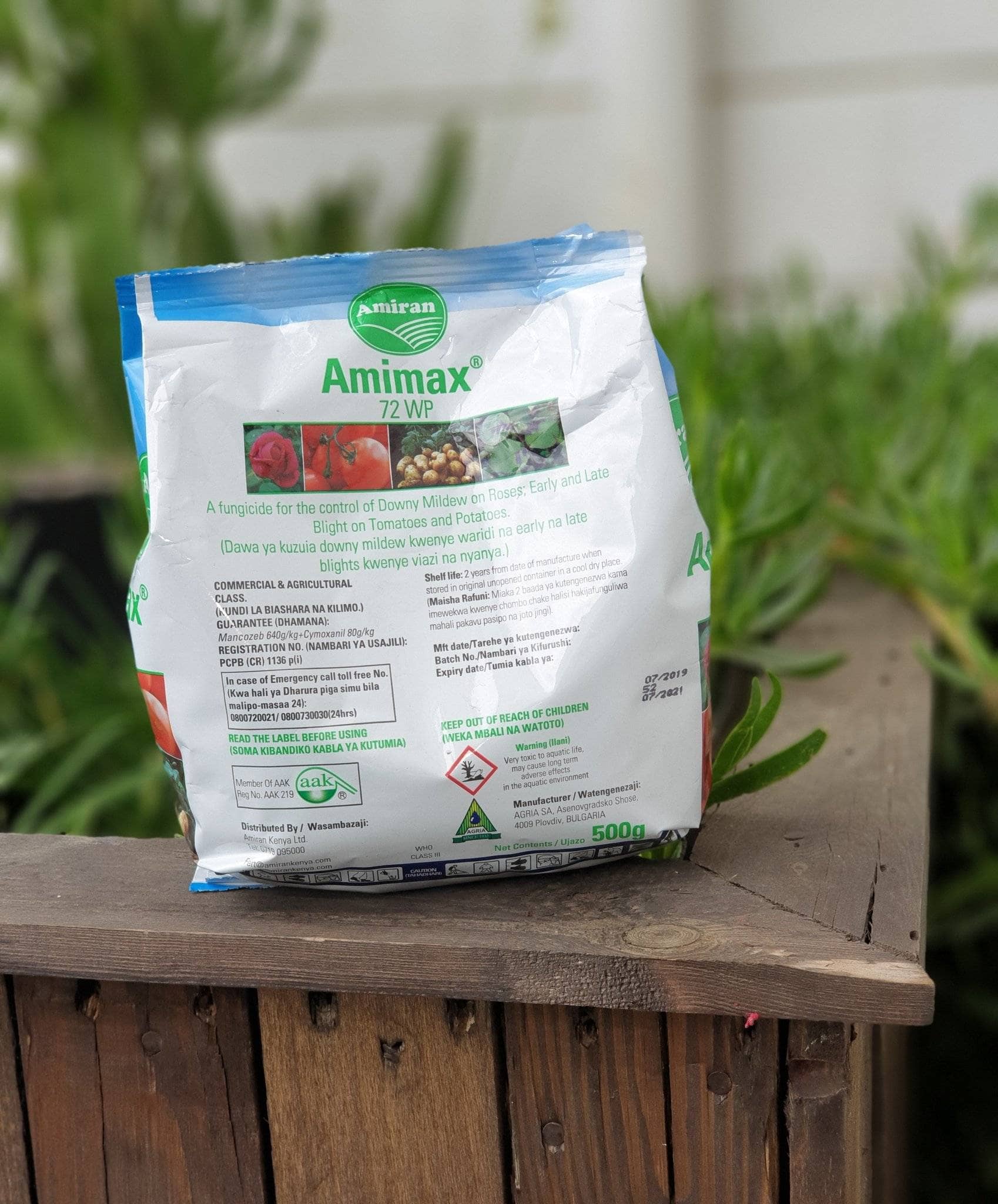
Walk through your garden every few days and look under the leaves. Common pests include aphids, whiteflies, caterpillars and cutworms. Remove affected leaves early, encourage beneficial insects, rotate crops between beds each season and keep the garden clean of weeds and old plant material. Planting onions, garlic, marigolds and dhania among other crops can help deter some pests. If you need a crop protection product, choose one approved for your crop, use a knapsack sprayer, wear protective clothing and observe the waiting period before harvest stated on the label.
Harvesting for a continuous supply
Harvest leafy greens by picking the lower, mature leaves and leaving the top growing point intact; the plant will keep producing for months. Pick in the morning when leaves are crisp, and use or refrigerate them quickly. Harvest dhania before it flowers for the best flavour. Pick tomatoes when they start to colour and let them finish ripening indoors, which reduces losses to birds and cracking. Regular harvesting actually encourages many plants to produce more.
A simple seasonal plan
Kenya's long rains (around March to May) and short rains (around October to December) are the easiest times to start a garden, because rainfall reduces watering. With irrigation you can grow all year. Rotate crop families between beds each season: follow leafy greens with legumes such as beans or peas, which add nitrogen to the soil, then with root crops or fruiting crops like tomatoes. Rotation breaks the life cycle of many pests and diseases and keeps the soil balanced. Keep a simple notebook of what you planted, when and where; after a year you will have a plan tailored to your own garden.
Add kienyeji chickens
Chickens fit well with a kitchen garden: their manure enriches compost, and they eat kitchen scraps and some pests. A small flock of improved kienyeji chickens can supply eggs for the family. Provide clean water every day using proper poultry drinkers and feeders, keep the house dry and well ventilated, and vaccinate as advised by your local animal health officer. Keep chickens out of vegetable beds, especially young seedlings.
Keeping costs low
A kitchen garden should save money, not cost more than it produces. Make compost instead of buying all your fertilizer, save seeds from open-pollinated crops such as managu and terere, reuse sacks and containers, and harvest rainwater. Share bulk packs of seeds and inputs with neighbours. Keep tools clean, dry and sharp so they last for years. Over a single season, most families recover their start-up costs through the vegetables they no longer need to buy.
Buy farm inputs online in Kenya
Global Max Shop makes it easy to buy farm inputs in Kenya without a long trip to the agrovet. Browse all agricultural products, including seeds, fertilizers, crop protection and farming equipment. Tap Order on WhatsApp and we deliver to your home, farm or nearest town. Always read and follow product labels, and ask your local extension officer for advice specific to your area.
Frequently asked questions
Which vegetables grow fastest in Kenya?
Spinach, lettuce, dhania, managu and sukuma wiki are among the quickest to harvest, often within four to eight weeks.
Can I buy seeds online in Kenya?
Yes. Order certified seeds on WhatsApp from Global Max Shop and we deliver countrywide.
Do I need fertilizer for a kitchen garden?
Compost and manure go a long way. A planting fertilizer and a light nitrogen top dressing help leafy crops.
How much space do I need?
A few square metres, a balcony or several sacks are enough to supply a family's daily greens.
How often should I water my vegetables?
Deep watering two or three times a week, early in the morning, is better than a light daily sprinkle. Adjust for rain and heat.
How do I control pests without chemicals?
Inspect plants often, remove affected leaves, rotate crops, keep the garden clean and interplant onions, garlic or marigolds.
Can I grow vegetables on a balcony?
Yes. Use sacks, buckets or boxes with drainage holes, a good potting mix of soil and compost, and choose compact crops such as spinach, dhania, lettuce and spring onions.
Need help choosing?
Send us a message and our team will recommend products and confirm today's prices.
We are a Nairobi-based online store helping Kenyans shop beauty, health, food, school and farm products with confidence. Our guides are general information, not medical or professional advice.