Vitamins and Supplements in Kenya: What You Actually Need
Pharmacy shelves and social media feeds are full of health supplements, each promising more energy, better immunity or glowing skin. It can be hard to know what is worth buying. This guide explains the vitamins and supplements Kenyans buy most often, who may benefit, and how to buy vitamins online in Kenya safely.
 Global Max Shop Team · 7 min read
Food first, supplements second
The most important principle in nutrition is simple: supplements fill gaps, they do not replace good food. A varied Kenyan diet already contains many of the nutrients the body needs. Sukuma wiki, managu and terere provide vitamins A, C and K plus iron and calcium. Beans, ndengu and njahi supply protein, fibre and iron. Whole grains such as wimbi, sorghum and brown rice add B vitamins and minerals. Fish such as omena are rich in calcium and omega-3 fats. Fruit such as mangoes, oranges, pawpaw and guavas are excellent sources of vitamin C.
Supplements make most sense when your diet is limited, your needs are higher, or a health professional has found a deficiency.
Who may benefit from supplements
- Pregnant women and those planning pregnancy: folic acid and iron are routinely recommended at antenatal clinics.
- Young children: some may need vitamin A or other supplements as advised by the clinic.
- Older adults: absorption of some nutrients, such as vitamin B12, can fall with age.
- People with restricted diets: vegetarians and vegans may need vitamin B12.
- People who rarely see the sun: office workers who leave home early and return late may have low vitamin D, even in sunny Kenya.
- People with specific conditions: anaemia, digestive conditions and some medications affect nutrient needs. Always follow medical advice.
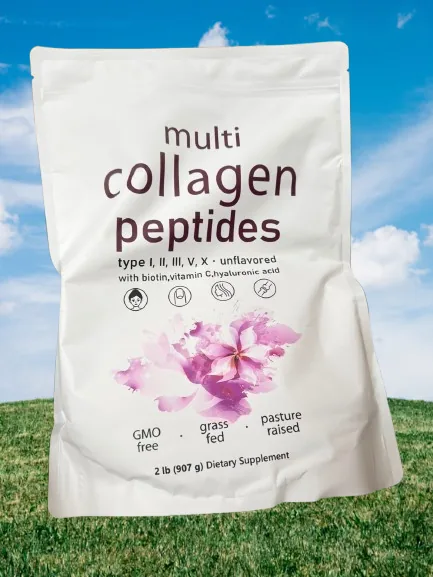 Multi Collagen Peptides Powder 907gOrder on WhatsApp
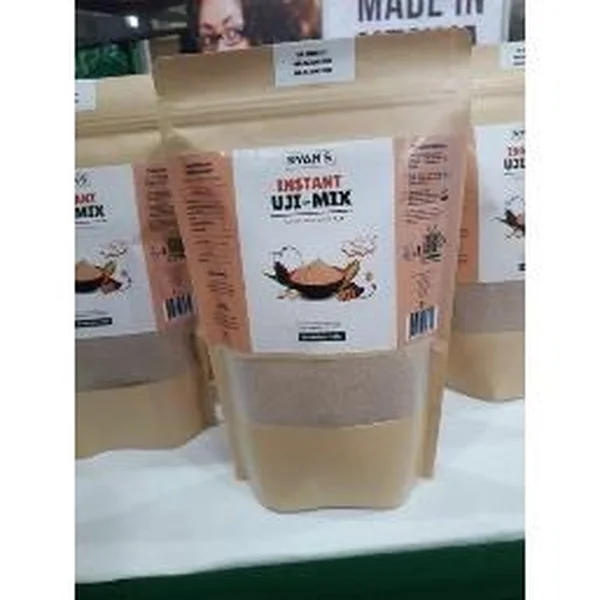 Ryan's Instant Uji Mix (Maize, Sorghum, Soy and Sweet Potato)Order on WhatsApp
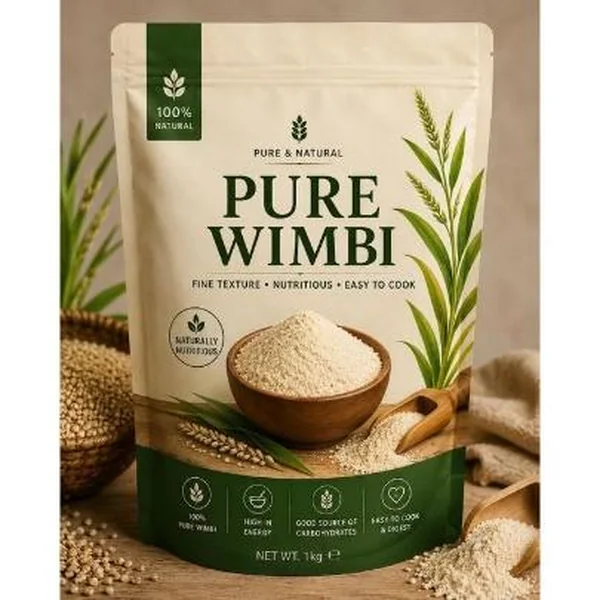 Premium Pure Wimbi Flour 1kgOrder on WhatsApp
Popular supplements explained
Multivitamins: a single daily tablet containing a range of vitamins and minerals. A reasonable insurance policy for busy people with irregular meals, but not a cure-all.
Vitamin C: supports the immune system and helps the body absorb iron from plant foods. Most people can get enough from fruit and vegetables; supplements are popular during cold and flu season.
Zinc: involved in immunity and skin healing. Often combined with vitamin C.
Vitamin D: important for bones, muscles and immunity. The body makes it in sunlight, but many people who spend their days indoors are low.
Iron: needed to make red blood cells. Iron deficiency causes tiredness and is common in women and children. Only take iron supplements if advised, because too much iron is harmful.
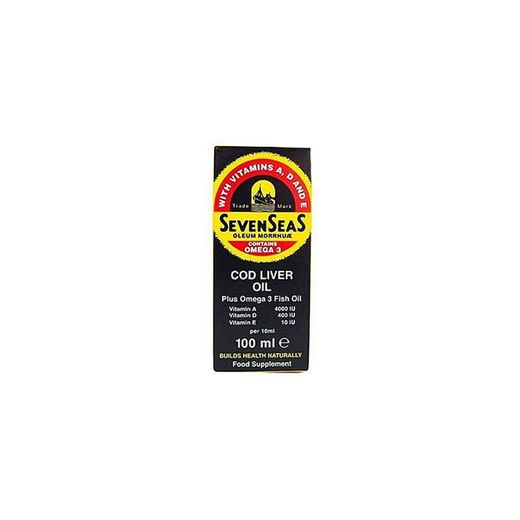
Omega-3 and cod liver oil: a source of healthy fats, and cod liver oil also provides vitamins A and D. A traditional favourite for children and older adults.
B vitamins: help release energy from food. B12 is important for nerves and blood.
Calcium: essential for bones and teeth. Dairy, omena and leafy greens are good food sources.
Collagen: a protein supplement taken for skin, hair, nails and joints, such as Multi Collagen Peptides. Results vary, and collagen works best as part of a protein-rich diet.
Probiotics: beneficial bacteria that support gut health. Fermented foods such as mala and yoghurt are natural sources.
Beauty supplements
Supplements for skin, hair and nails, such as biotin, collagen and hair vitamins, are among the fastest-growing beauty products online in Kenya. They can help when your diet lacks the nutrients involved, but they are not magic. Hair and nails take months to grow, so judge any supplement after at least three months. Browse our beauty supplements and pair them with good skincare and a balanced diet.
How to choose a good supplement
- Buy from a trusted shop. Counterfeit and expired supplements exist. Ask for photos of the pack, batch number and expiry date before paying.
- Check registration. Health products sold in Kenya should be registered with the relevant regulator. Ask the seller if you are unsure.
- Read the full label. Look at the dose per serving, not just the headline number, and check how many servings the pack contains.
- Avoid doubling up. If you take a multivitamin plus a separate vitamin C, zinc and hair vitamin, you may be taking more of some nutrients than you need.
- Be wary of big promises. Products claiming to cure diseases, cause rapid weight loss or replace medicine should be avoided.
- Ask a professional if you are pregnant, breastfeeding, taking medication or managing a condition such as diabetes, high blood pressure or kidney disease.
Can you take too much?
Yes. Water-soluble vitamins such as vitamin C and most B vitamins are usually passed out in urine when you take more than you need, although very high doses can still upset the stomach. Fat-soluble vitamins (A, D, E and K) and minerals such as iron are stored in the body and can build up to harmful levels. Vitamin A in high doses is dangerous in pregnancy. Iron supplements are a common cause of poisoning in young children, so always store supplements out of their reach.
Supplements for children
Children usually get what they need from a balanced diet, regular clinic visits and the vitamin A and deworming programmes offered through health facilities. If you are considering a supplement for a child, choose a product made specifically for children, follow the age-based dose exactly, and ask the clinic or pharmacist first. Never give adult supplements to children. Chewable and gummy vitamins look like sweets, so store them out of reach and explain to children that they are medicine, not treats.
Supplements and medication
Some supplements interact with medicines. For example, calcium and iron can reduce the absorption of certain antibiotics and thyroid medicines; vitamin K affects blood-thinning medication; and some herbal products affect blood pressure or blood sugar medicines. Always tell your doctor and pharmacist about everything you take, including herbal and beauty supplements.
Nutritious foods that work like supplements
Fortified and nutrient-dense foods are an affordable way to improve your diet. Wimbi (finger millet) flour is naturally rich in calcium and iron. Multi-grain porridge blends such as Ryan's Instant Uji Mix combine cereals and legumes for energy and plant protein. Corn Soya Blend is fortified with vitamins and minerals. Read our guide to healthy porridge flours to compare them.
Signs you may be low in a nutrient
Some symptoms can point to a nutritional gap, but they can also have many other causes, so they are a reason to see a health professional rather than to start a supplement on your own:
- Constant tiredness, pale skin or shortness of breath: possible iron deficiency or anaemia.
- Frequent infections or slow wound healing: sometimes linked to low zinc or vitamin C.
- Bone or muscle aches and low mood: sometimes linked to low vitamin D.
- Tingling hands and feet or memory problems: possible vitamin B12 deficiency.
- Brittle nails or hair loss: can be linked to iron, protein or other deficiencies, but also to stress and thyroid problems.
A simple blood test can confirm many deficiencies and helps you avoid buying supplements you do not need.
A simple supplement plan for busy adults
If you are healthy and simply want a safety net, a sensible plan is short: eat a varied diet built around vegetables, legumes, whole grains and fruit; consider a daily multivitamin if your meals are irregular; take any supplements your doctor or clinic has specifically recommended; and review your list every few months. Resist the temptation to add a new product each time you see an advert. One well-chosen supplement taken consistently is better than five taken occasionally, and it is far kinder to your budget.
Storing supplements correctly
- Keep supplements in a cool, dry place away from direct sunlight. The bathroom is often too humid.
- Close lids tightly and keep the moisture-absorbing sachet in the bottle.
- Check expiry dates and discard old products.
- Keep all supplements out of children's reach, especially iron.
Buy vitamins online in Kenya
At Global Max Shop you can buy vitamins online in Kenya, together with health supplements and nutritious foods. Browse vitamins and supplements, nutrition products and beauty supplements, then tap Order on WhatsApp. We confirm the product, batch and expiry date before delivery anywhere in Kenya. This article is general information, not medical advice: speak to your doctor or pharmacist about the right supplements for you.
Frequently asked questions
Should I take a multivitamin every day?
Many adults do, but it depends on your diet and health. Ask a pharmacist if you are unsure, and avoid doubling up with other supplements.
Is collagen worth taking?
Some people take it for skin, hair, nails and joints. Results vary, and it works best with a protein-rich diet and good skincare.
Can I get vitamin D deficiency in sunny Kenya?
Yes. People who spend most daylight hours indoors can be low. A doctor can test your level.
Can I take vitamins with my medication?
Some supplements interact with medicines. Always tell your doctor and pharmacist about everything you take.
Which foods are naturally rich in iron and calcium?
Wimbi, beans, leafy greens such as managu and terere, omena and dairy are good sources.
Can I order vitamins online in Kenya?
Yes. Order on WhatsApp at Global Max Shop and we confirm the product, batch and expiry date before delivery.
Need help choosing?
Send us a message and our team will recommend products and confirm today's prices.
We are a Nairobi-based online store helping Kenyans shop beauty, health, food, school and farm products with confidence. Our guides are general information, not medical or professional advice.